
Unlocking the Secrets of Visitor Tracking Tools

Updated: Apr 13
Why Visitor Tracking Tools Are a Game-Changer
Imagine trying to run a store without knowing who walks in, what they pick up, or how long they stay. Sounds impossible, right? That’s exactly what running a website without visitor tracking is like. Visitor tracking tools give you the power to:
Understand your audience’s behavior
Identify which marketing efforts bring the most traffic
Spot bottlenecks in your sales funnel
Personalize user experience to boost engagement
These tools are your digital binoculars, letting you zoom in on every click, scroll, and pause. And the best part? Many of them are easy to set up and affordable, perfect for small businesses aiming to grow smartly.
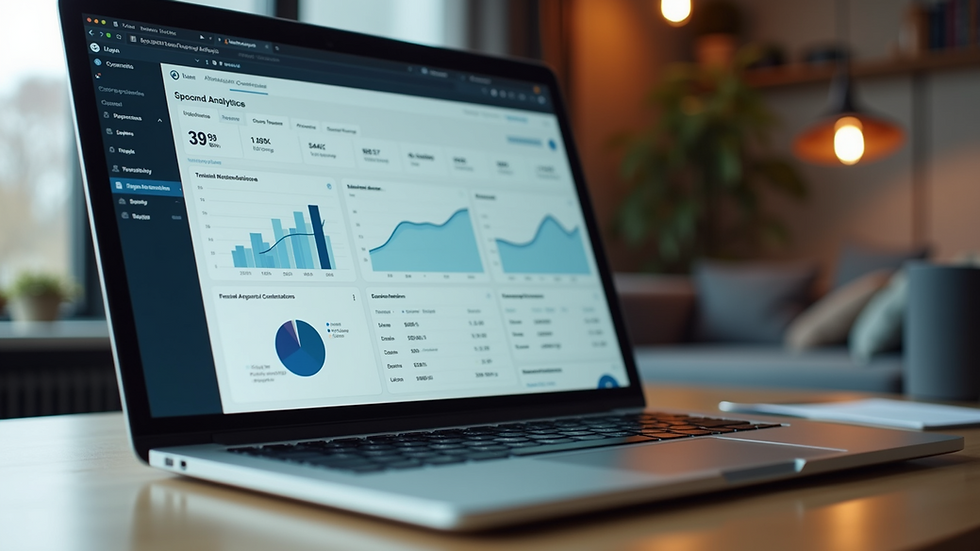
Top Visitor Tracking Tools You Should Know About
There’s a whole toolbox out there, but some tools stand out for their ease of use, features, and affordability. Here are my top picks:
1. Google Analytics
The classic choice. It’s free, powerful, and packed with features. Google Analytics tracks everything from page views to user demographics. You can set goals, track conversions, and even see real-time visitor activity.
Pro tip: Use Google Analytics to identify your top-performing pages and focus your marketing efforts there.
2. Hotjar
Want to see how visitors interact with your site visually? Hotjar offers heatmaps, session recordings, and feedback polls. It’s like having a spyglass on your visitors’ mouse movements and clicks.
Pro tip: Use heatmaps to find out where visitors drop off and optimize those areas.
3. Crazy Egg
Similar to Hotjar, Crazy Egg provides heatmaps and scroll maps but also offers A/B testing tools. This helps you experiment with different page layouts and see what works best.
Pro tip: Run A/B tests on your landing pages to increase conversions.
4. Matomo
If privacy is a concern, Matomo is a great alternative. It’s an open-source analytics platform that you can host yourself, giving you full control over your data.
Pro tip: Use Matomo if you want detailed analytics without sharing data with third parties.
5. BizFix EGT Analytics
For small businesses looking for a comprehensive, affordable solution, BizFix’s EGT Analytics is a fantastic option. It combines powerful tracking with easy-to-understand reports tailored to your business needs.
Pro tip: Leverage BizFix’s expertise to fix your marketing and customer acquisition challenges with their visitor tracking tools.

How to Use Visitor Tracking Tools Effectively
Having the tools is just the start. You need to know how to use them to get real results. Here’s a simple step-by-step guide:
Step 1: Set Clear Goals
What do you want to achieve? More sales? More newsletter sign-ups? Define your goals clearly. This helps you focus on the right metrics.
Step 2: Install and Configure Your Tools
Follow the setup instructions carefully. For example, Google Analytics requires you to add a tracking code to your website. Make sure you configure goals and events that match your business objectives.
Step 3: Monitor Key Metrics
Keep an eye on metrics like:
Number of visitors
Bounce rate (how many leave quickly)
Average session duration
Conversion rate
These numbers tell you how well your site is performing.
Step 4: Analyze Visitor Behavior
Use heatmaps and session recordings to see how visitors navigate your site. Are they clicking where you want them to? Are they getting stuck somewhere?
Step 5: Take Action and Optimize
Based on your data, make changes to your website or marketing campaigns. Test different headlines, images, or calls to action. Track the results and keep improving.
Common Mistakes to Avoid When Tracking Visitors
Tracking visitors is powerful, but it’s easy to slip up. Here are some pitfalls to watch out for:
Ignoring privacy laws: Make sure you comply with regulations like GDPR or CCPA. Always inform visitors about tracking and get consent if needed.
Overloading with data: Don’t get lost in endless reports. Focus on the metrics that matter most to your goals.
Not acting on data: Data is useless if you don’t use it. Make changes based on insights and measure the impact.
Using too many tools: Stick to a few tools that work well together. Too many can cause confusion and slow down your site.
Unlocking Growth with Smart Visitor Tracking
Tracking your website visitors is like having a GPS for your business journey. It guides you through the twists and turns of marketing and sales, helping you avoid dead ends and find the fastest route to success. With the right visitor tracking tools and a clear plan, you can turn casual visitors into loyal customers.
Remember, the key is to start simple, keep learning, and keep optimizing. Your website is your storefront in the digital world—make sure it’s welcoming, easy to navigate, and tailored to your visitors’ needs.
The Future of Visitor Tracking
As technology evolves, so do visitor tracking tools. The future promises even more advanced features, such as AI-driven insights and deeper analytics. Staying ahead of the curve will give you a competitive edge. Embrace these changes, and you’ll be well on your way to mastering your online presence.
Ready to take your website to the next level? Check out BizFix’s EGT Analytics and start tracking smarter today!


Comments